VJ Day 15th Aug 2020 – The War in Japan Part 2

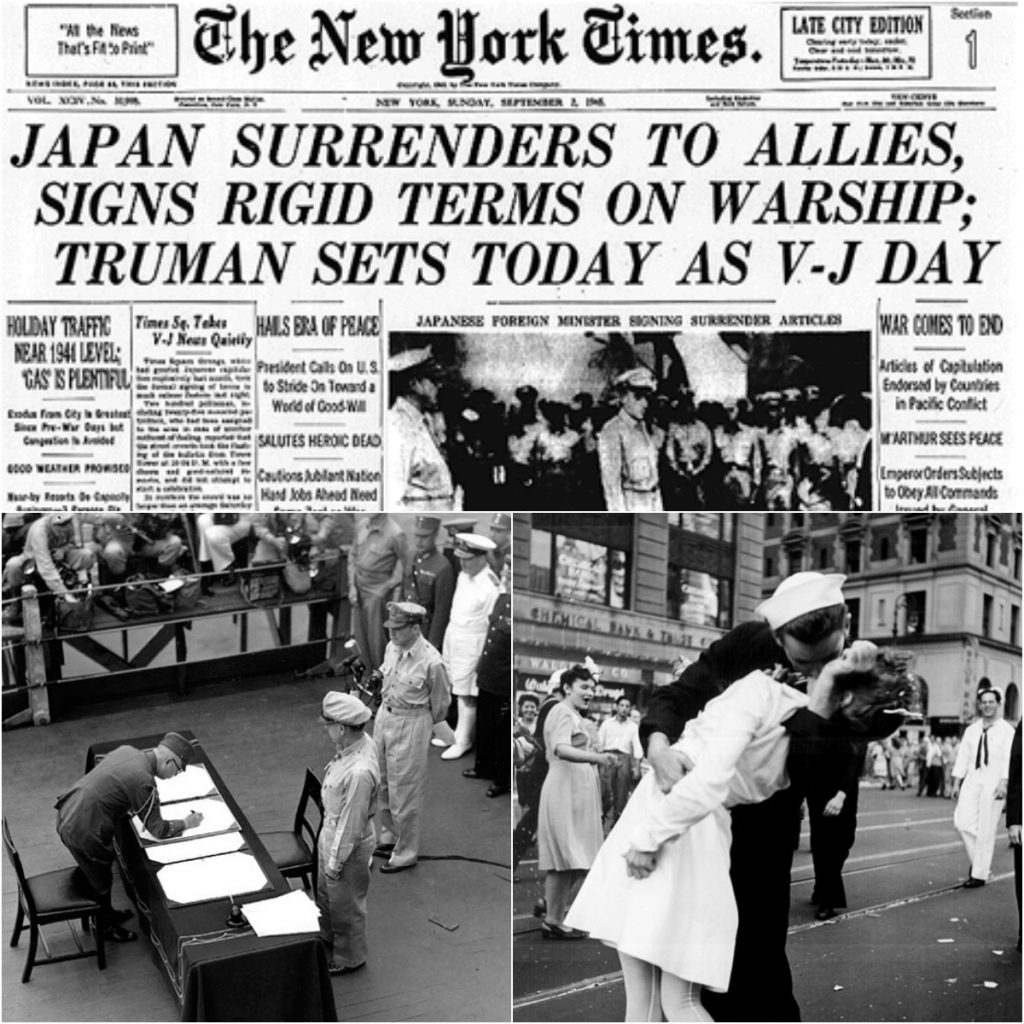
Today we remember the atrocities of the war in Japan in a three part series.

The 214 Boys at War

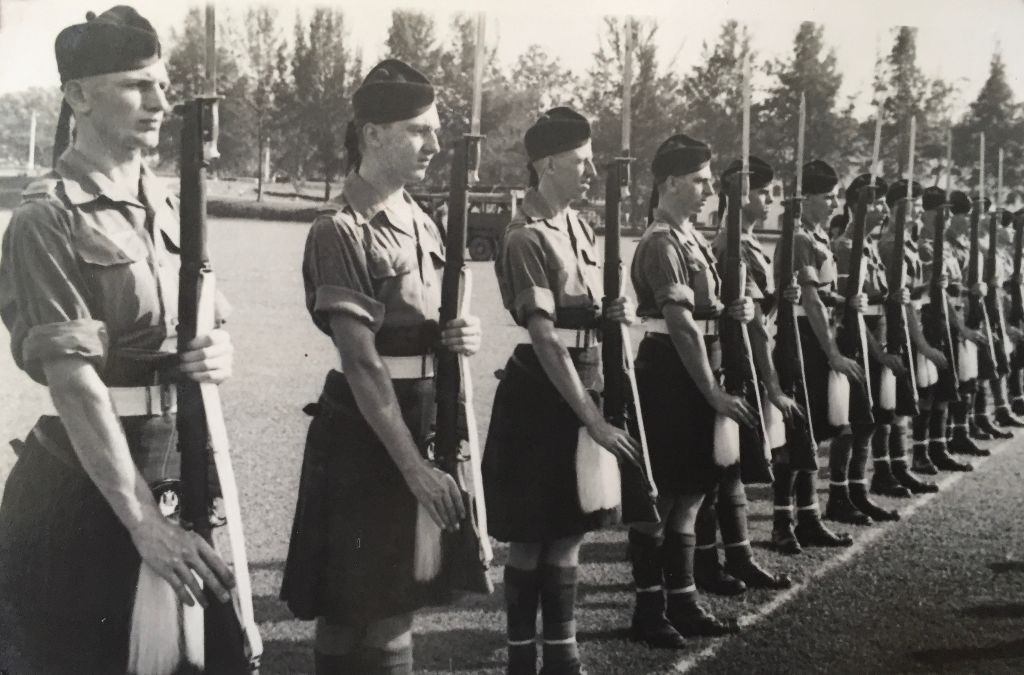
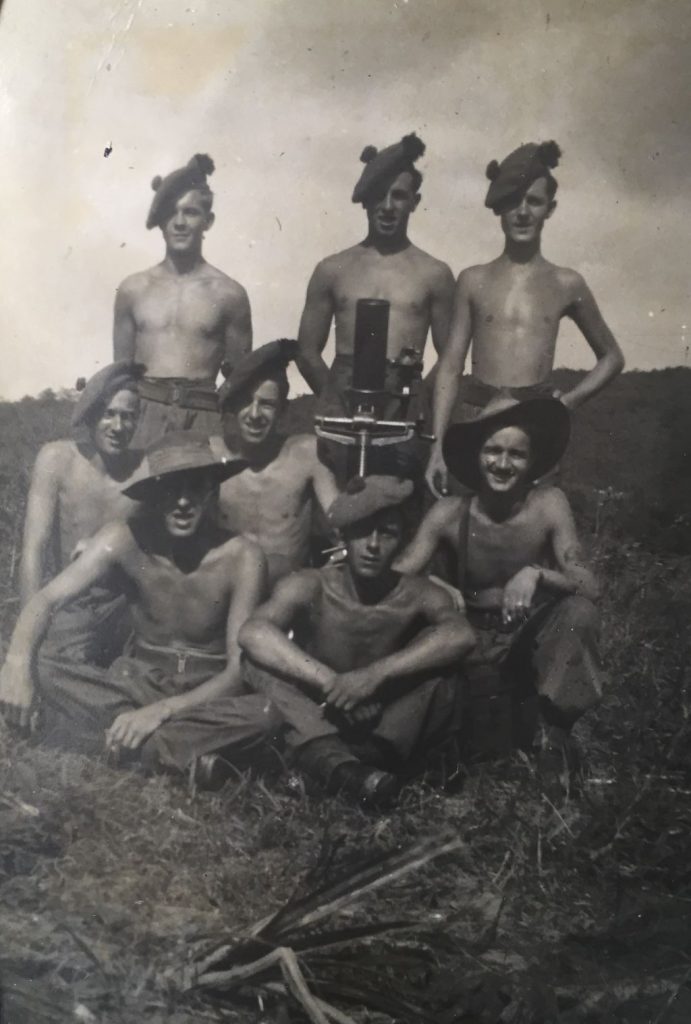
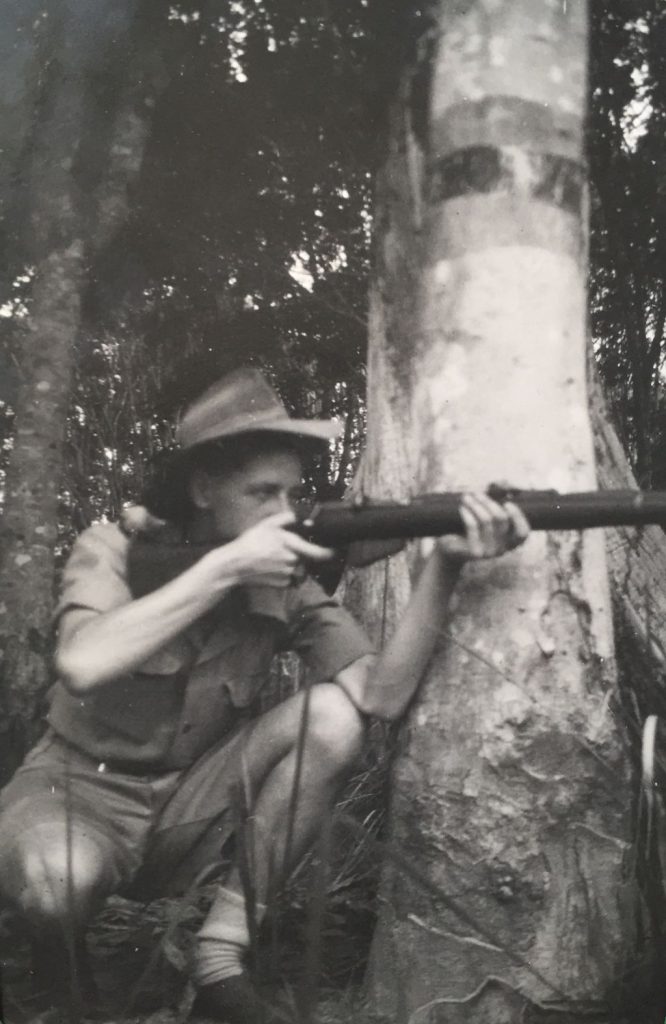
The War in Japan Part 2 – Joe Noble (Snr) – in Burma.

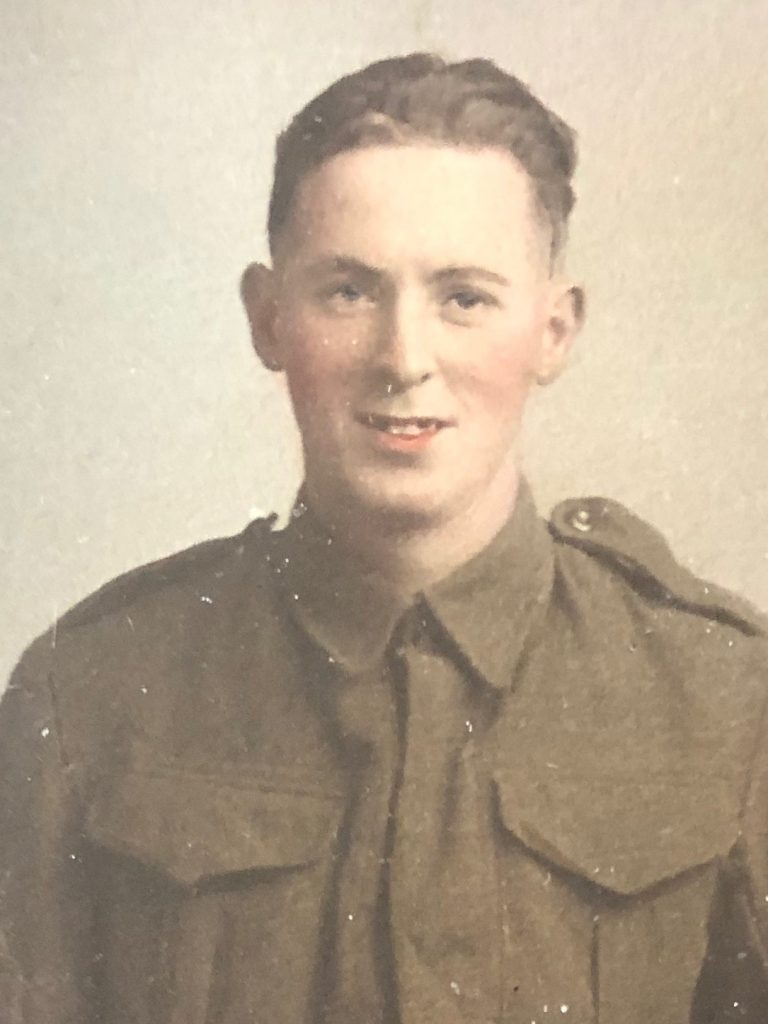
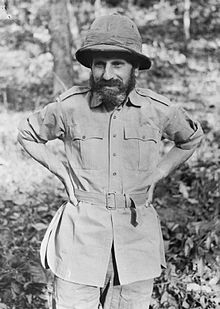
Joseph Watt Noble was the father of Joe Noble the 214 drummer that I’m sure all the Ex Members know.

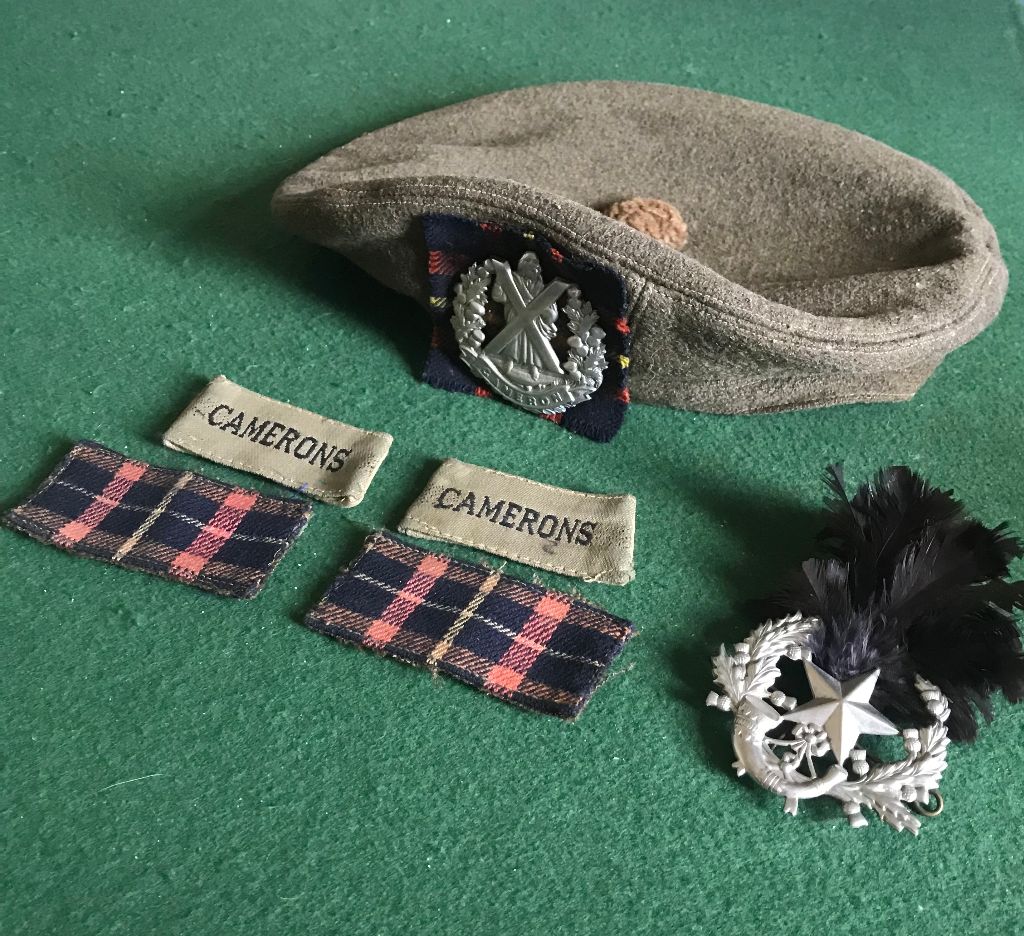
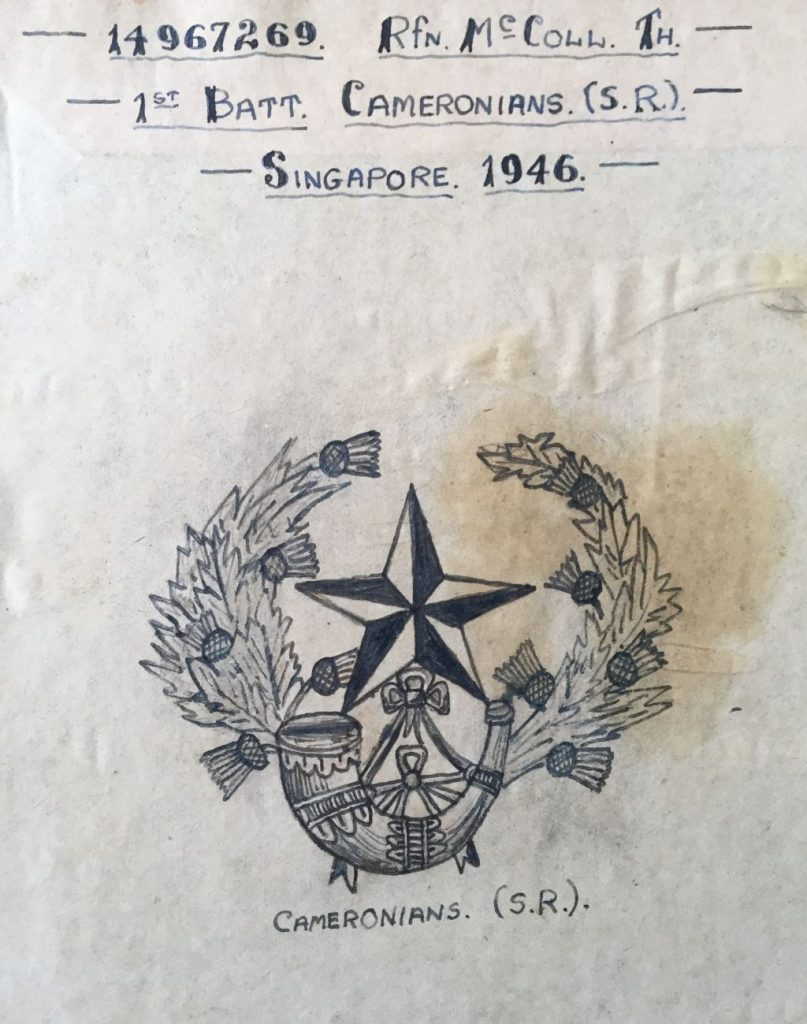
During WW2 he served in India and Burma with the 1st Battalion Cameronians, later in his service transferring to the Royal Corp of Signals.

Joe served as part of the “Chindits” and didn’t talk much about the war, only recounting the funny moments. It is thought that he served in the ‘Second Expedition’ of Burma.

Many of the servicemen, who witnessed the atrocities of battle against the Japanese Army in Burma, did likewise.

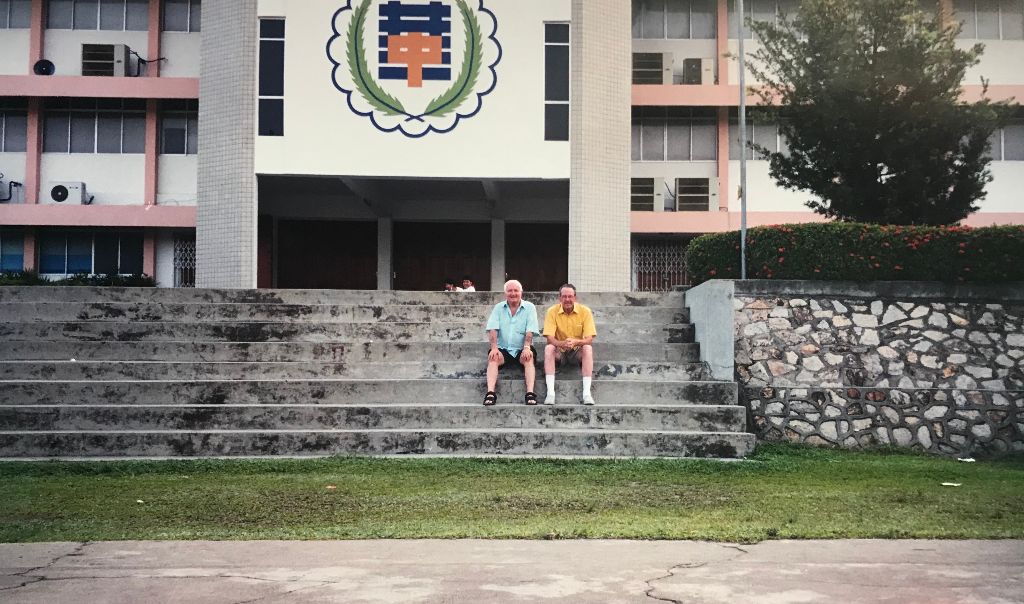
This picture was taken just before he headed to the East in 1941, aged 25

Joe was a signaller and would have formed part of a guerrilla unit called The Chindits.

“He had been cut off behind enemy lines for a bit of time and they had managed to make their way through the jungle and get back to relative safety on the Allied side.” He only ever briefly mentioned this to his family.

Orde Wingate DSO & The Chindits

‘Chindits’ was the name given to the Long Range Penetration (LRP) groups that operated in the Burmese jungle.

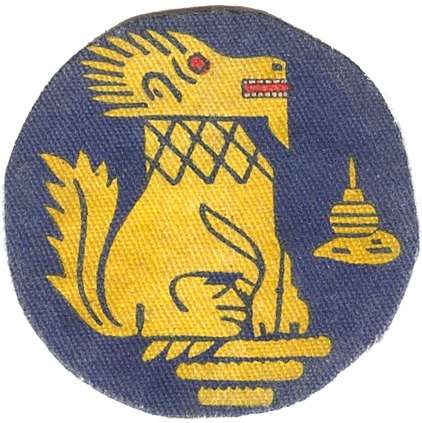
They were named after the Chinthe, a mythical Burmese beast that was half-lion and half-eagle and, to Brigadier Orde Wingate, symbolised the need for close air-land co-ordination.

The Chindit Badge

The Chindits carried out two major expeditions in Burma.

1st Expedition

February 1943, code-named Operation Longcloth, consisted of a force of 3,000 men who marched over 1,000 miles during the campaign. It was an experimental operation to prove British forces could operate many hundreds of miles from their own bases in the midst of Japanese controlled territory and to test Wingate’s theories and to gain experience.

2nd Expedition

March 1944 was on a much larger scale and consisted of a force of 20,000 men. They were given the name Special Force and consisted mainly of British battalions supplemented by Burma Rifles, Gurkha and Nigerian battalions and a company of Hong Kong volunteers.

‘We need not, as we go forward into the conflict, suspect opportunity of withdrawing and are here because we have chosen to bear the burden and the heat of the day.’

Brigadier Orde Wingate addressing his men, 13 February 1943.

Chindit Order of Battle January 1944

The Chindits were officially known as ‘Special Force’ or the ‘3rd Indian Infantry Division.’

N.B. The title 3rd Indian division was only given in order to deceive the Japanese.

There were six brigades, each referred to by a nickname. Each brigade had its own HQ situated near an airfield and an HQ column in the field.

More than likely Joe was part of Profound – 111th Brigade, which consisted of:-

1st Bn. The Cameronians: 26 and 90 Columns

2nd Bn. The Kings Own Royal Regt: 41 and 46 Columns

3rd Bn. 4th Gurkha Rifles: 30 Columns

This Regiment was one of a force of 6 Regiments that attacked from behind the Japanese lines.

Profound’s objective was to fly in and then block road and rail links south of Indaw to prevent Japanese reinforcements coming up from Mandalay.

Each brigade was divided into columns and a headquarters.

A column had about 400 men and typically consisted of,

  • Infantry Company of four platoons armed with rifles and light machine guns.
  • Heavy weapons platoon armed with two Vickers machine guns, two 3-inch mortars and anti-tank weapons.
  • Commando platoon for demolitions and setting booby traps.
  • Reconnaissance platoon with a section of Burma Rifles.
  • The column also included RAF, sapper, signaller and medical detachments.

The RAF detachment included an active pilot and was responsible for directing air support and the air evacuation of the wounded

Each column had about 56 mules, much less than the first expedition, as there would be more reliance on air supplies. The mules provided the transport for the column. Ten mules were required to carry the radio equipment, including the batteries, generators and petrol. The remaining mules carried other heavy equipment, weapon and supplies.

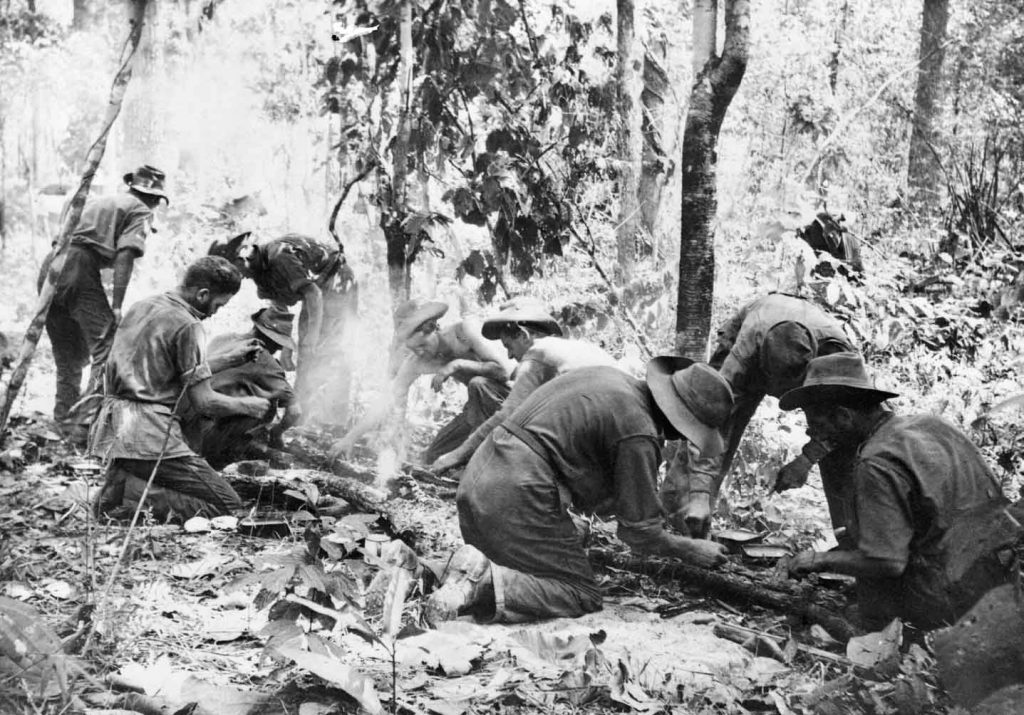
Chindits preparing to ambush the Japanese Army.

Once in Burma the Chindits would attack and cut supply lines and generally harass the rear of the Japanese forces on the frontline facing British, American and Chinese forces.

Like the 1st Chindit expedition, the column formations were designed for movement through the jungle. This mobility would be the strength of a Chindit column.

A column would emerge from the jungle to blow up a dump or ambush an enemy convoy and then slip away again into the jungle where the enemy would be unable or afraid to follow.

When necessary though, the columns would reform into battalions and brigades to attack and seize larger targets or to repel attacks from a large enemy force. Troops would be airlifted to airfields by gliders and supplied likewise.

Not much is known of Joe’s action, apart that he was cut off behind enemy lines.

We can only imagine it could be similar to this soldier’s ‘Jungle’ story as a Chindit, which is one of many on the Burma Star Associations website.

Read it here https://www.burmastar.org.uk/stories/you-lucky-lads/

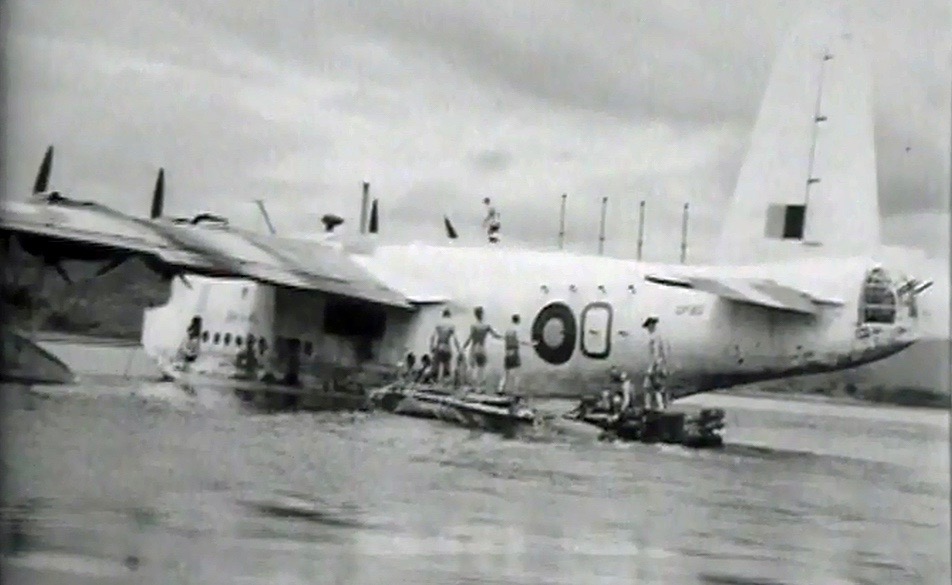
This is a Sunderland Flying Boat supplying the Chindit army before they were flown into the jungle by glider.

The interesting thing about this picture from a 214 perspective is that Alex Ibell, Joe King, Ian MacLellan’s father, and Hector Russell’s father all worked at the Blackburn factory in Dumbarton where these planes were manufactured.

Joe who was a signaller, spent some time in India prior to going into the Jungle. He would have received training similar to that instructed by Alex MacIver, who Captained a training outfit in India at this time. Who knows maybe they met?

Joe (snr) survived his spell in Burma returning in late 1945 / early1946, to Aberdeenshire after the war.

He was welcomed home meeting his son Joe (jnr) who was aged 3, for the first time.

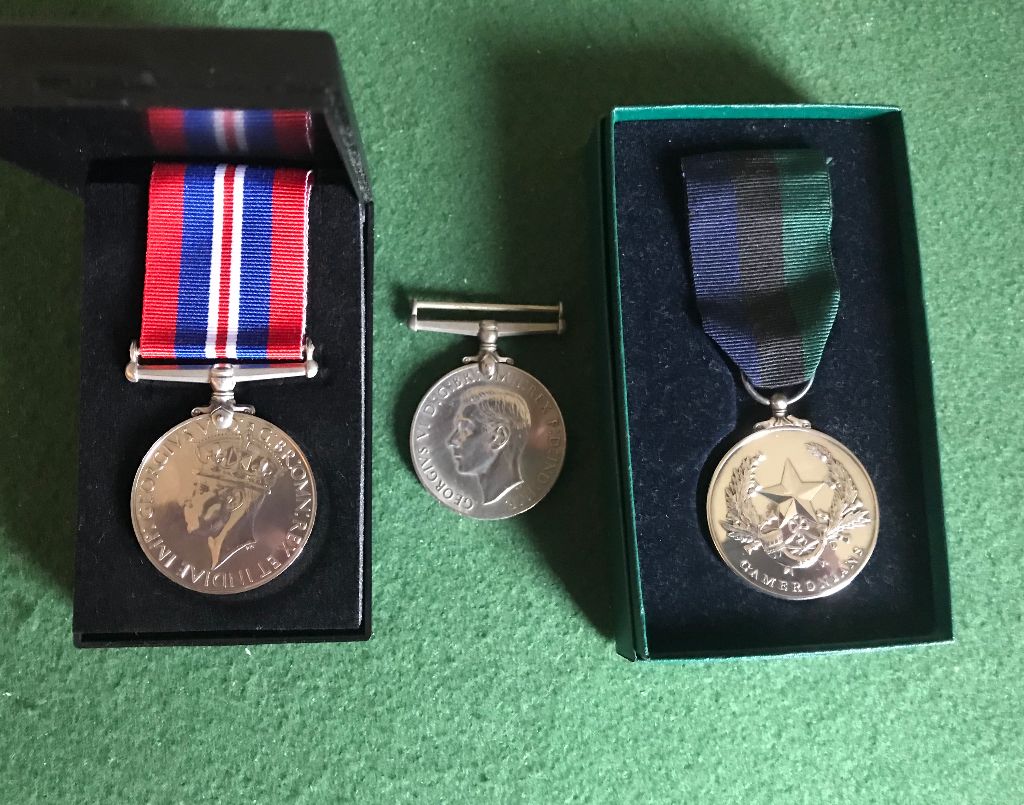
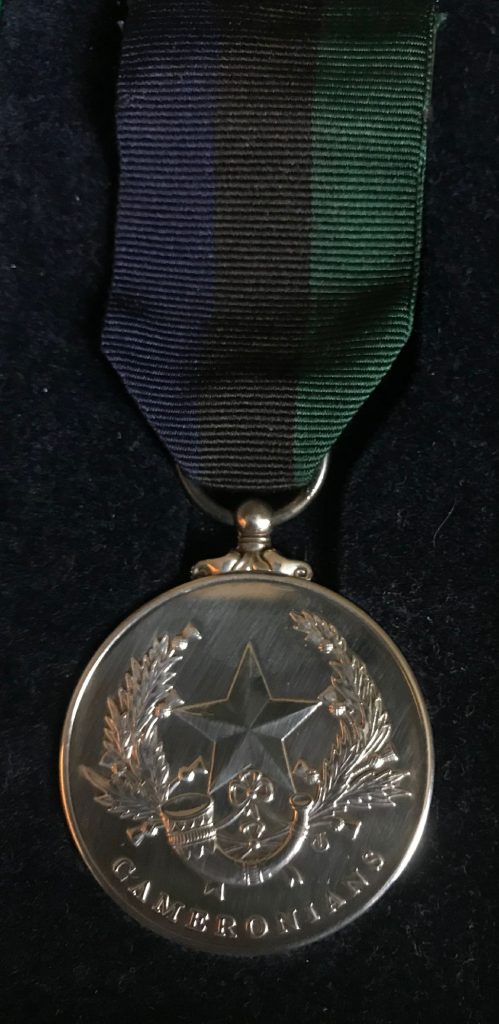
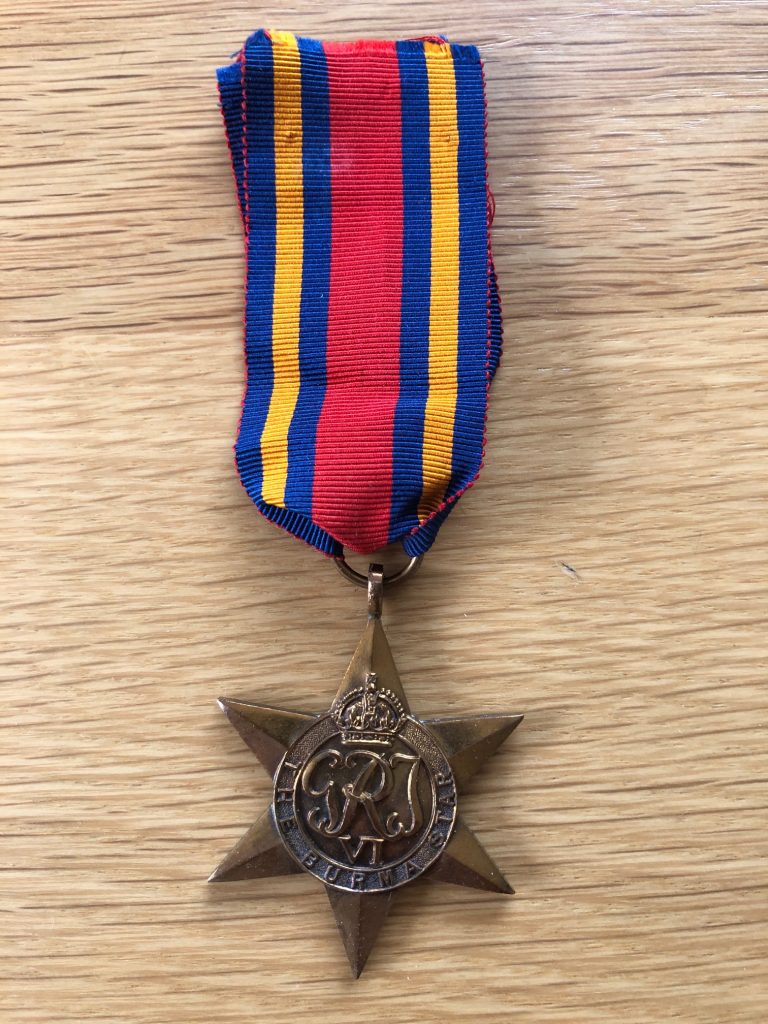
Joe (Senior)’s Burma Star

Burma Star

The Burma Star is awarded for operational service in Burma between 11 December 1941 and 2 September 1945.

Those serving in Bengal and Assam in India and China, Hong Kong, Malaya or Sumatra between other specified dates may also qualify.

The colours of the ribbon represent the sun, British and Commonwealth forces.

If you also qualify for the Pacific Star, you will only be awarded the first star earned. You will then receive a clasp with the title of the second star earned which is worn on the ribbon of the first.

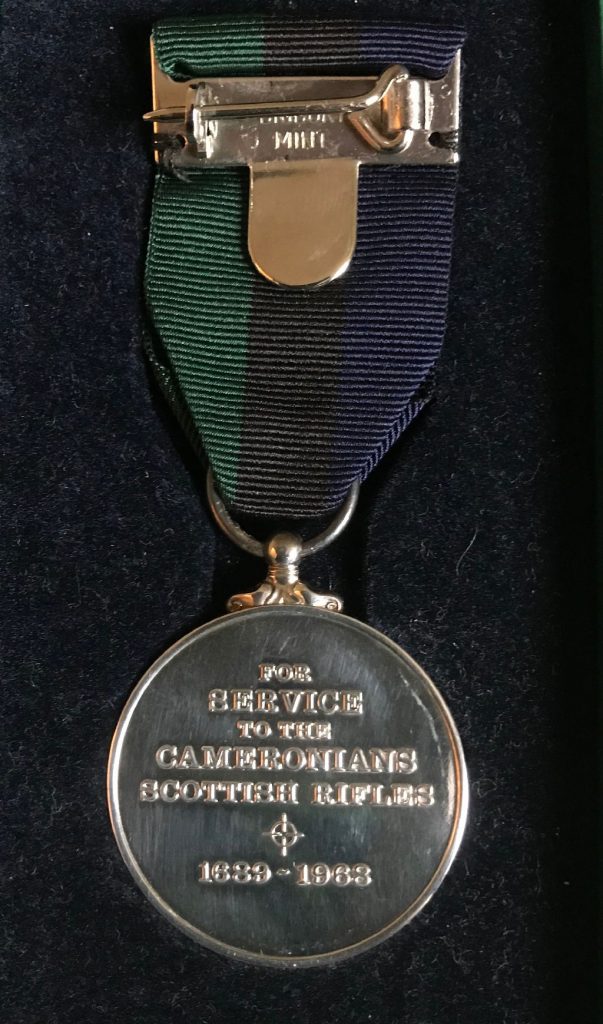
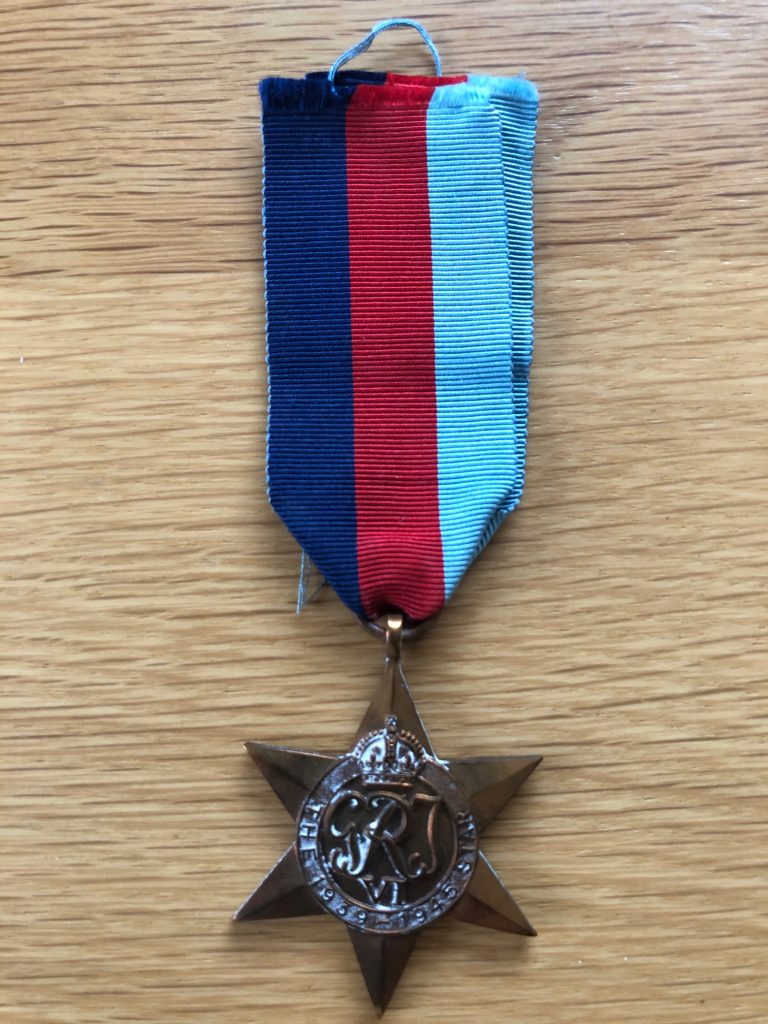
Joe (Senior)’s 1939 -1945 Star

1939 to 1945 Star

The 1939 to 1945 Star is awarded to personnel who completed operational service overseas between 3 September 1939 and 8 May 1945 (2 Sept 1945 in Far East).

The colours of the ribbon represent the 3 services. The star is worn with the dark blue stripe furthest from the left shoulder.

“Although my dad didn’t talk about the war hardly at all, other than when he remembered funny incidents, he was not best pleased when I joined the Toyota Pipe Band.

I don’t think he ever quite forgave the Japanese.

He did in fact consider sending back his Burma Star when Emperor Hirohito was granted a royal visit to the UK but I think that an intervention by Lord Mountbatten persuaded many unhappy Burma Star holders to keep their medals.

I doubt whether my dad, who passed away in 2001, would have thought that he’d been given 85 years when he was embroiled in the Burma Campaign.”

Joe Noble (Jnr) – 214 BB Ex Member – 15th August 2020.

If Joe (Snr) had been fortunate enough to survive till today, he would have been 104 years old.

VJ Day 15th Aug 2020 – The War in Japan Part 1

Today we remember the atrocities of the war in Japan in a three part series.

The War in Japan Part 1 – 75th Anniversary

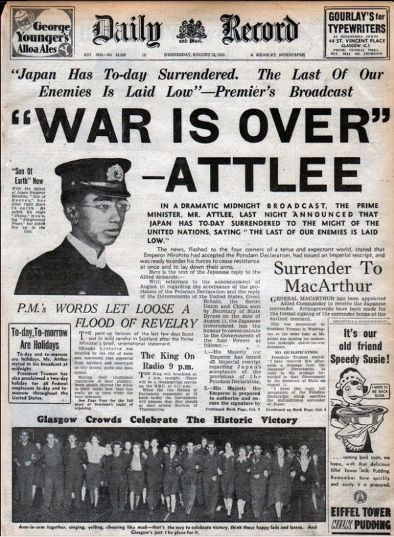
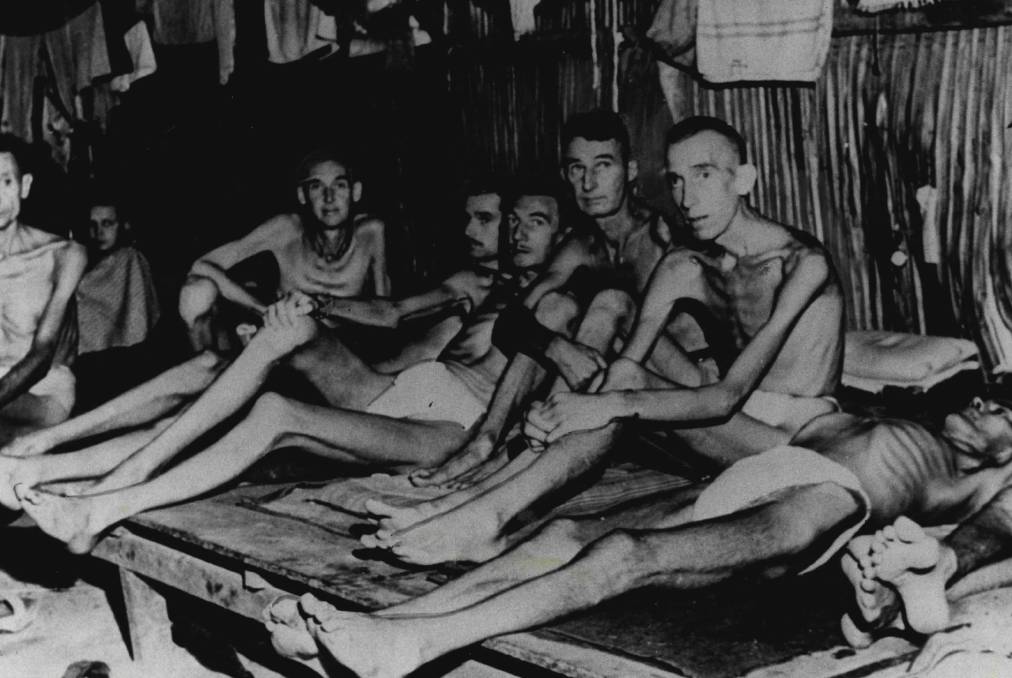
VJ Day – or Victory over Japan Day – on 15 August 1945 ended one of the worst episodes in British military history, during which tens of thousands of servicemen were forced to endure the brutalities of prisoner of war camps. It is estimated that there were 71,000 British and Commonwealth casualties of the war against Japan, including more than 12,000 prisoners of war who died in Japanese captivity. More than 2.5 million Japanese military personnel and civilians are believed to have died over the course of the conflict.

Prisoners at Changi Jail.

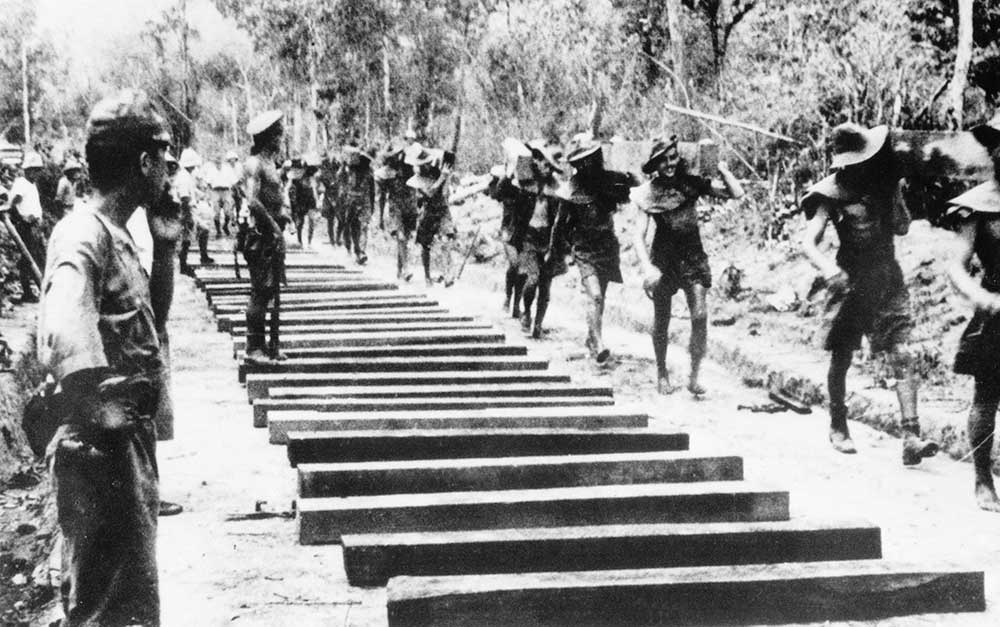
Many prisoners of the Japanese had been forced to build the infamous Burma railway, often called the Death Railway and carry out other punishing work on rations of just a bowl of rice a day.

The railway ran 250 miles between Thailand and Burma (now Myanmar), to supply troops and weapons in Japan’s Burma campaign.

The fighting in Europe had ended in May 1945, but many Allied servicemen were still fighting against Japan in east Asia.

Japan rejected an ultimatum for peace, and the US believed that dropping a nuclear bomb would force them to surrender.

Four months after VE Day the US dropped two atomic bombs on Japan. The first on Hiroshima, the second on Nagasaki, killing an estimated 214,000 people.

Two weeks later Japan surrendered.

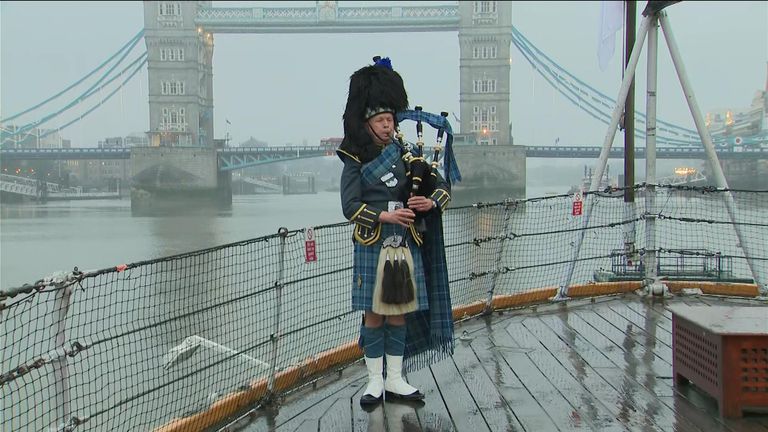
Today commemorations began at sunrise, with a piper playing Battle’s Over at the Imperial War Museum’s HMS Belfast in London.

P/Sgt Neil Esslemont- RAF Halton Pipes & Drums on board HMS Belfast at Tower Bridge, London. The ship was part of the Pacific Fleet during the war on Japan.

Military pipers were also playing at dawn in India, Australia, New Zealand and Nepal. In Japan, national memorial services have been held in Tokyo.

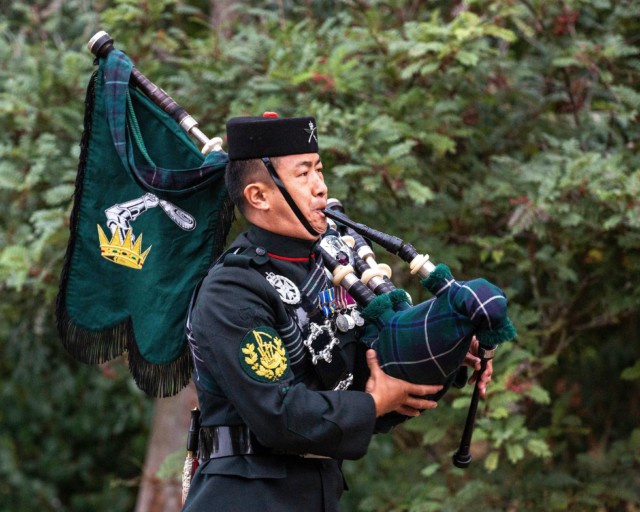
Clr Sgt Lil Bahadur Gurung piping at the VJ Day 75th commemorations at the National Memorial Arboretum, Staffordshire. The Ghurka’s played a major role in the War on Japan.

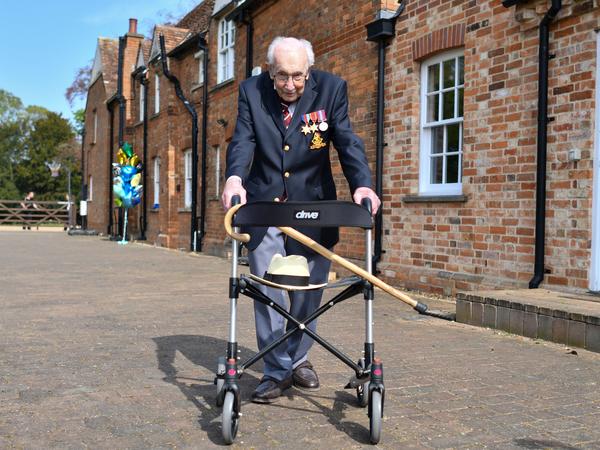
Capt Sir Tom Moore, who served in the Burma campaign has previously described VJ Day as “the most special day”.

“It was VJ Day when the pain of war could finally start to fall away as peace was declared on all fronts,” said Sir Tom – who raised millions of pounds for NHS charities by walking laps of his garden during lockdown.

“I respectfully ask Britain to stop whatever it is doing and take some time to remember.”

“We must all take the time to stop, think and be thankful that were it not for the ultimate sacrifices made all those years ago by such a brave band of men and women, we would not be enjoying the freedoms we have today, even in these current difficult times.”

Eian Orr

It is with great sadness and shock I have to inform you all that Eian Orr passed away suddenly and unexpectedly on Saturday night.

Eian’s brother Dougie has emailed me, I’m afraid I don’t have any other information regarding funeral etc.

Eian was the youngest of the Orr brothers, Bill being the eldest with Dougie the middle brother. The family home was in Havelock street, Partick.

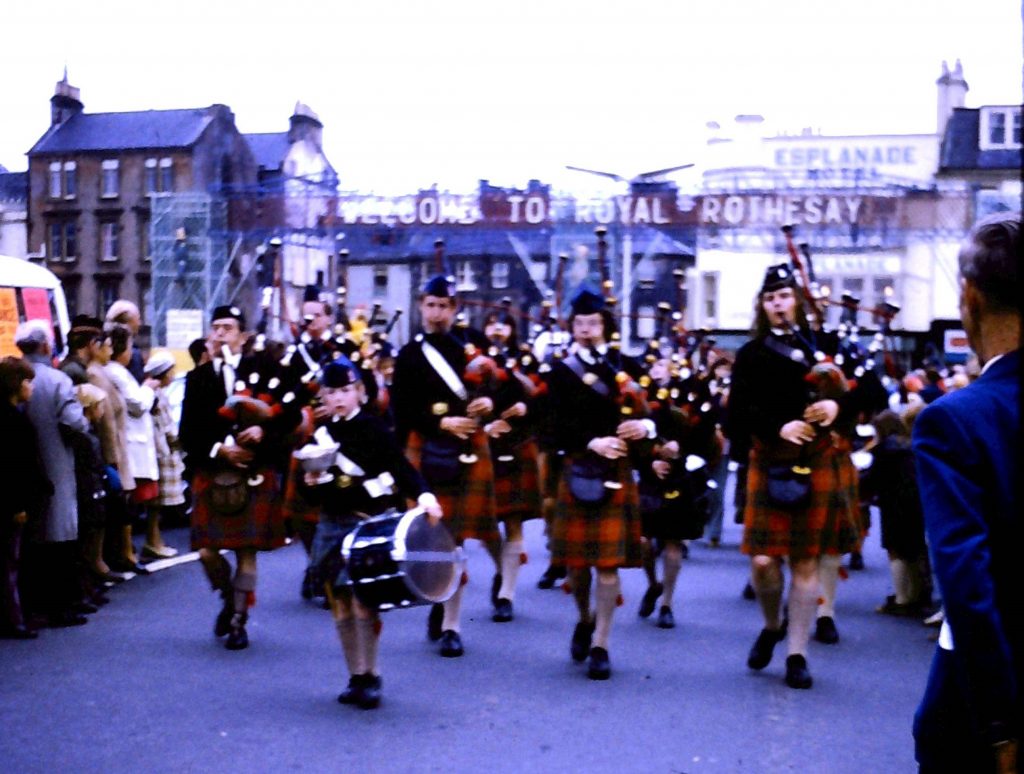
Eian can be seen here carrying the trophy at the front of the band in Rothesay 1975
Colin McCallum, Ally Morrison, Bill Orr, Eian Orr, Louis Collins and George Hunter who was the drumming instructor at the time in his Milngavie kilt.

After leaving the 214 Eian played in the Bishopbriggs Pipe band along with his brother Bill, Stevie McQuillan and Stevie Littlejohn.

He also played in the Glasgow Skye Association Pipe Band along with myself & Stevie Littlejohn. Thereafter moving to the 100 Pipers Whisky Pipe Band.

Eian lived down in Ayrshire and I personally hadn’t seen him for a good few years.

I’m sure all Ex Members would like to extend their condolences to the whole Orr family at this sad time.

I will post up funeral details nearer the time, although no doubt due to Covid-19 there will be restrictions.

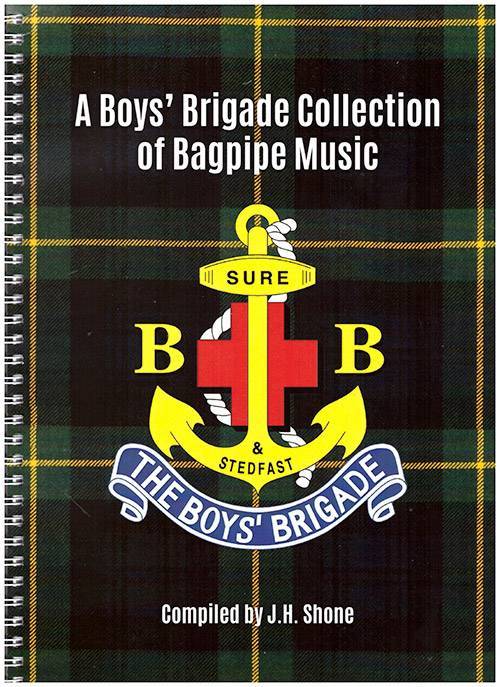
The BB collection of bagpipe music

A new book written by John Shone is now available. All proceeds from the book go towards the Boys’ Brigade.

The book is a high quality fold flat A4 portrait production. It runs to 70 pages with 40 tunes of which four are piobaireachd. Mr Shone is an active member of the Piobaireachd Society.

There are tunes by former BB boys, Donald MacPherson and Robert Wallace plus some by the author and P/M JB Robertson one of his teachers.

The book has an impressive number of Boys Brigade band photographs including 3 of the 214 Glasgow (P/M Ian McLellan, Robert Wallace), the 1st St Andrews, the 139 Glasgow (where Seumas MacNeill and Thomas Pearston of the College of Piping were taught), the 1st Hawick, the 1st Port Glasgow, the 1st Troon and of course the 5th Croydon.

More details can be found in the pipingpress article here, where it is available to purchase.

Dorothy Scott

I’ve just been advised by our Chairman that Dorothy Scott (or Dot as she was known to many), has passed away.

Dot who was Davie Scott’s widow, passed away last week after having a stroke.

The funeral is at Woodside Crematorium Paisley on Monday 6th July.

They have requested Family only in attendance, due to limited numbers allowed.

(There is an online stream of the funeral available. If anyone wishes the live link details, please contact the secretary and we can forward it to you by email.)

On behalf of all the 214 Ex Members, I would like to extend our condolences to the family at this sad and testing time.

Alex MacIver – Radio programme tribute.

Listen to the programme here.

I am pleased to announce there has been a great radio programme recorded for IslesFM by Maggie Smith.

Maggie interviews the 214’s Hector Russell about the life of Alex MacIver.

The interview has a great balance of musical input, all tunes being Alex’ compositions, as well as great information on Lewis island life.

Maggie Smith

The timings of the broadcasts are listed below.

Hector advises on the background to it all:-

“One of my first steps in my adventure to source the compositions by Alex MacIver was to find a Lewis connection to aid me in my quest.

I was given the telephone number of Maggie Smith and made the contact explaining the purpose of my approach. I told her that we had already gathered a number of Alex’s musical creations some of which had Lewis connections like Achmore Loch. “Achmore Loch” Maggie enthused saying that not only did she live in Achmore but was looking as we spoke out of her kitchen window at the very loch in question!

This was some years ago and since then I have received every possible assistance from Maggie about Lewis and Gaelic and many related topics.

Maggie is a lady of many talents. She is resident in Achmore in the croft adjacent to where Alex MacIver’s mother was born and brought up.

She is among many other things a writer, a musician, an actress, a historian/researcher a writer and broadcaster.

Maggie had for some time a plan to create two radio broadcasts about Alex and his achievements. The first in English was to cover his piping contribution and the second in Gaelic covering his significant achievements in Gaelic culture particularly in theatre. This was to be two half hour programmes. However such was the volume of material she had collected this plan morphed into an hour long event which will be broadcast next week.

Maggie has been and remains a very valuable ally on “Matters MacKeever” providing much information and contact with several very useful sources.

I thank Maggie for all her assistance and constant wise advice.”

Hector Russell

Click here to go to IslesFM’s website. You then have to click the listen here logo at the top, to listen to the current IslesFM radio programme.

The programme is scheduled to be aired:-

Tue 23rd & 30th June at 7pm

Wed 24th June and 1st July at 12pm

Fri 26th June and 3rd July at 1pm

The recorded programme is now available, listen to it here.

Covid-19 and the 2020 Reunion

We all hope you are keeping well and managing to cope during these trying times of the Covid-19 Pandemic?

I have spoken to quite a few Ex Members since lockdown and everyone seems to be coping alright.

If you require help, contact me and I’ll see what can be done using our network of members, or through your local agencies to provide this help.

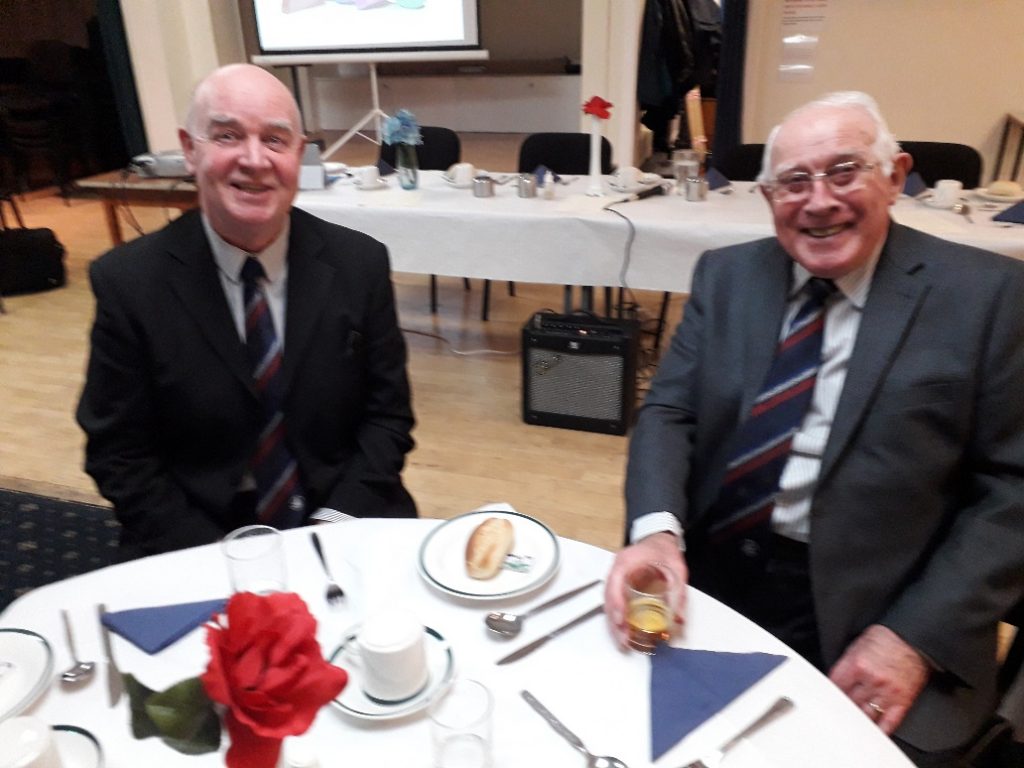
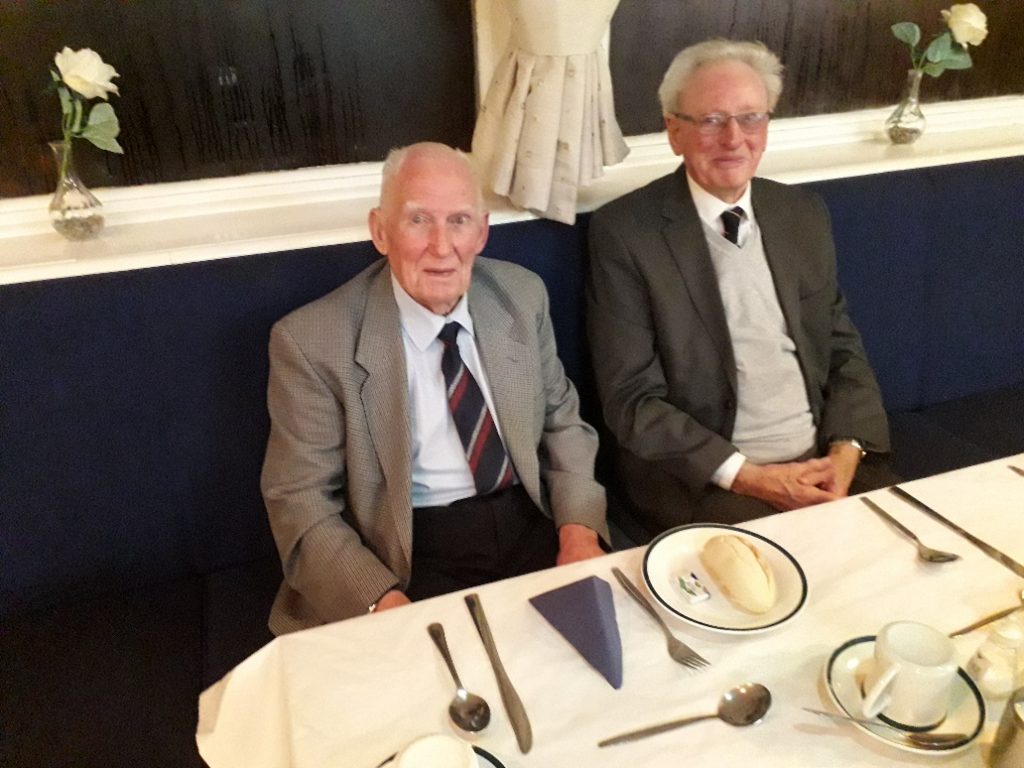
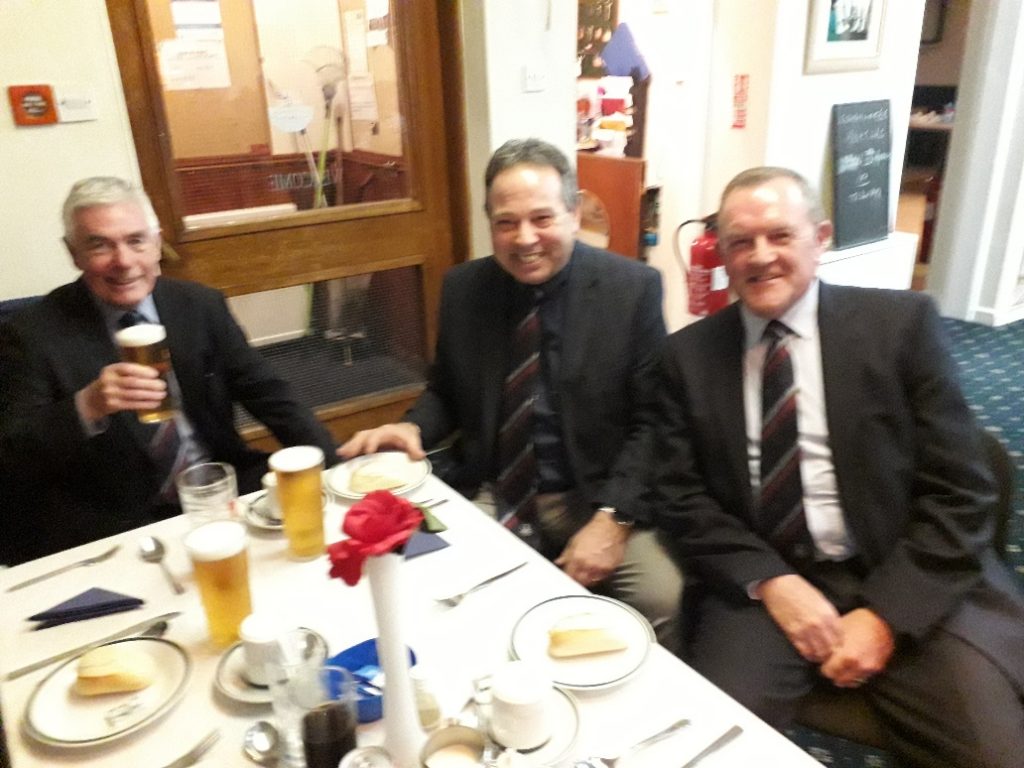
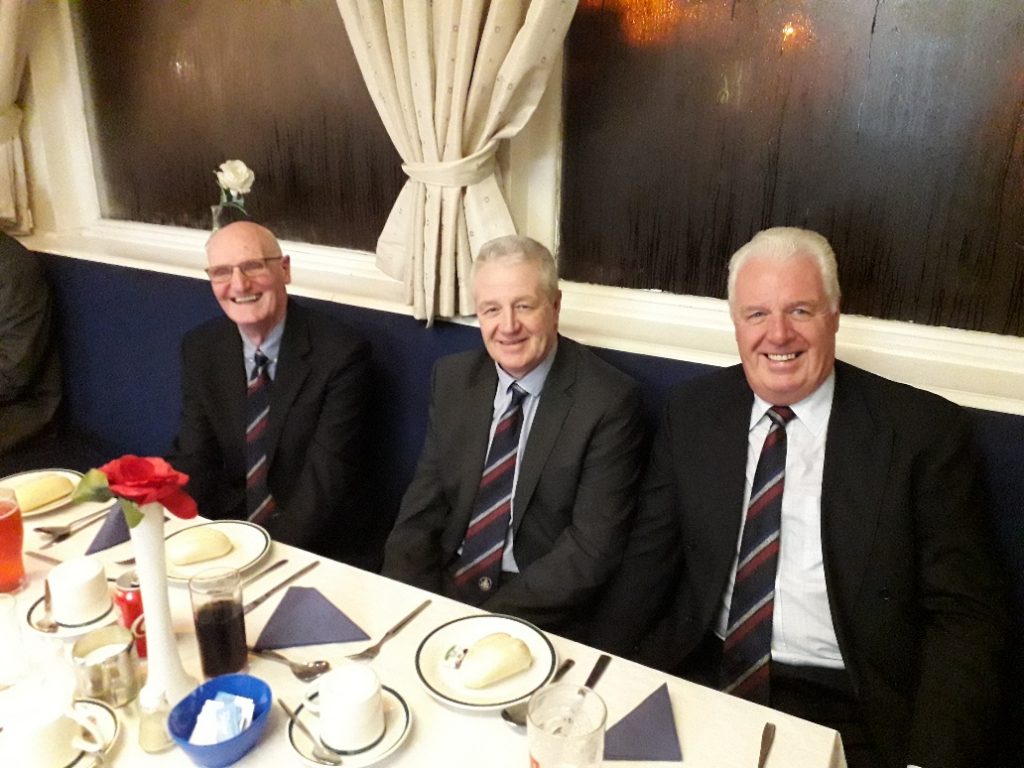
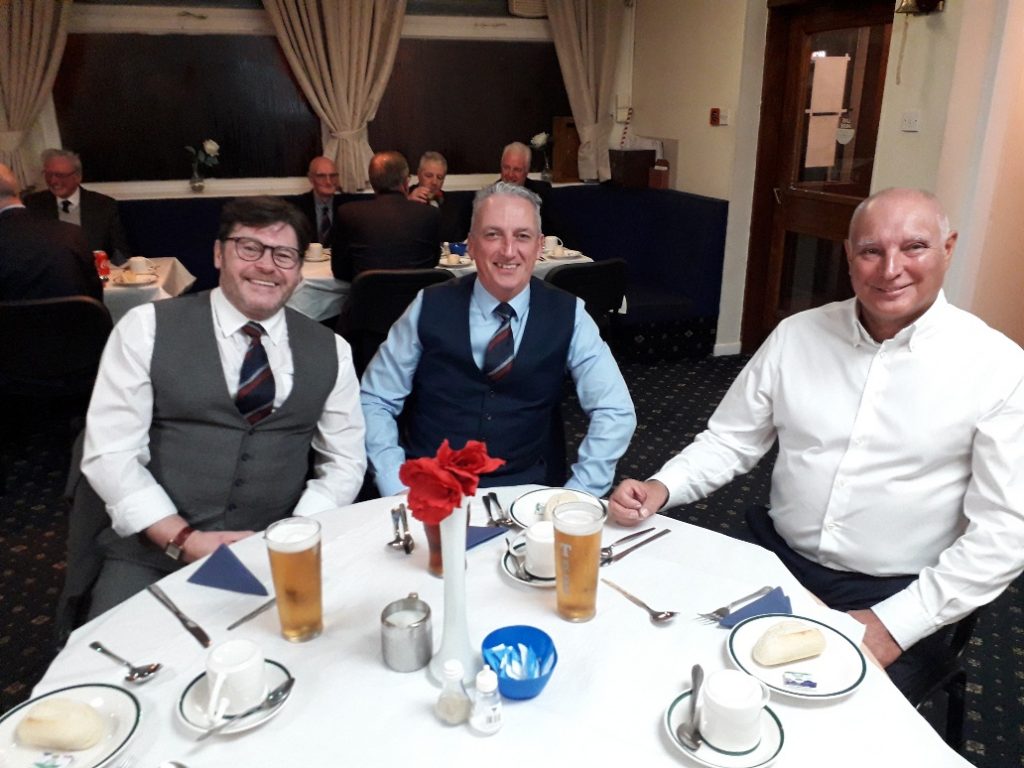
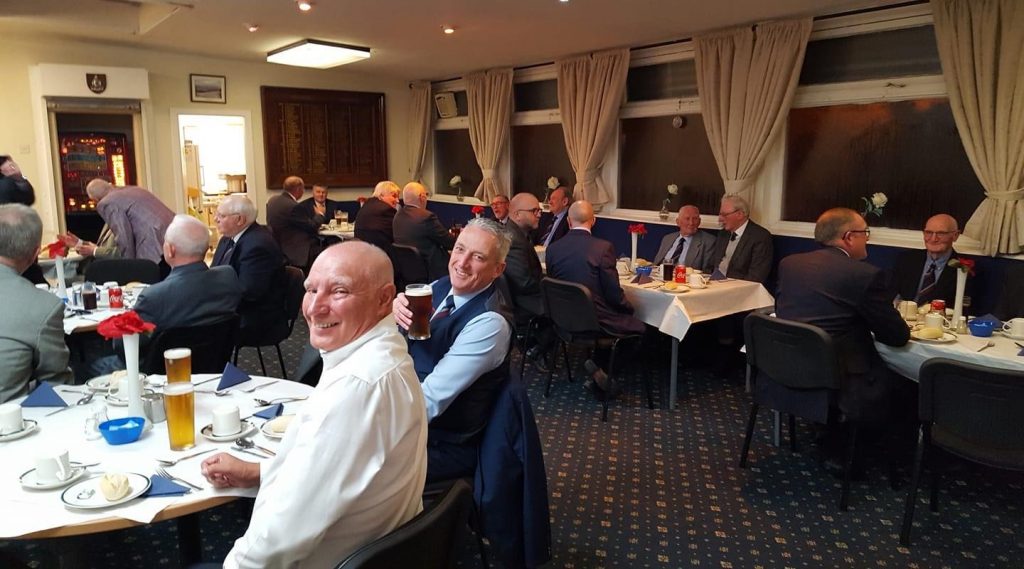
This years reunion was a great success by all accounts, everyone I’ve spoken to really enjoyed the evening and the food!

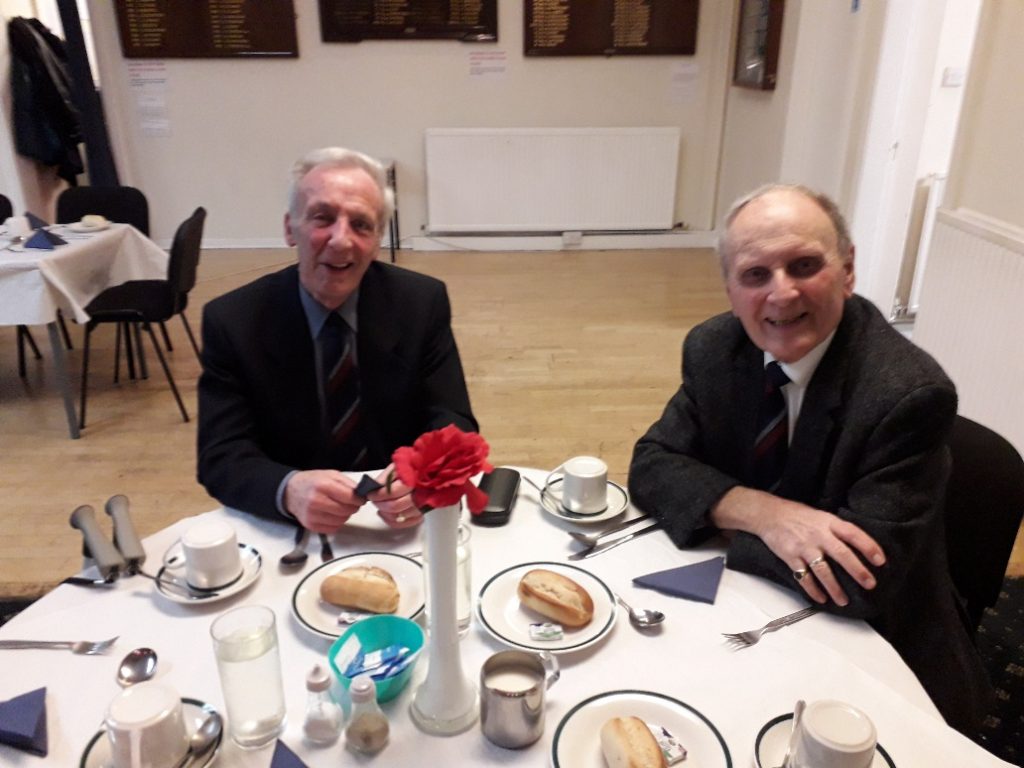
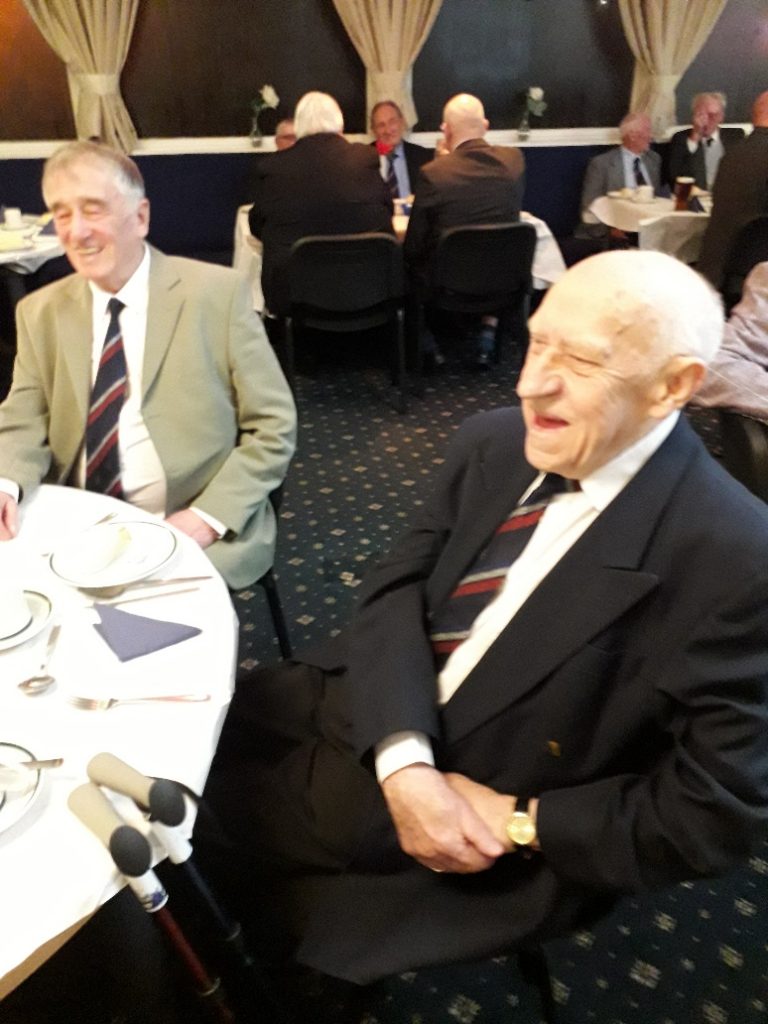
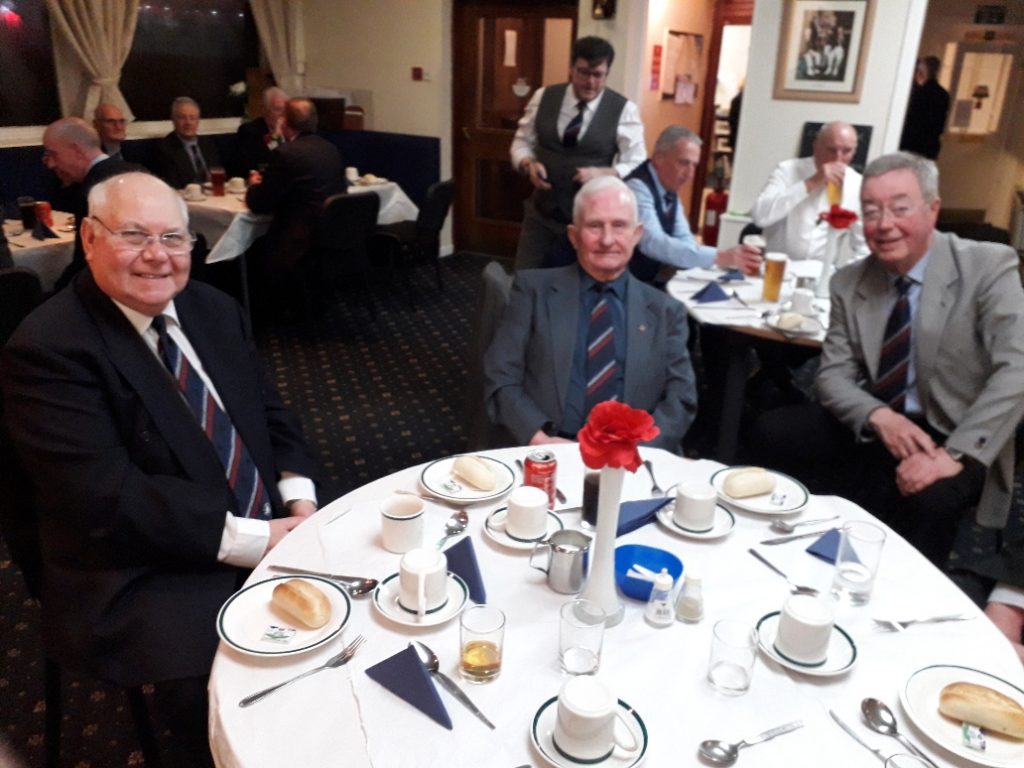
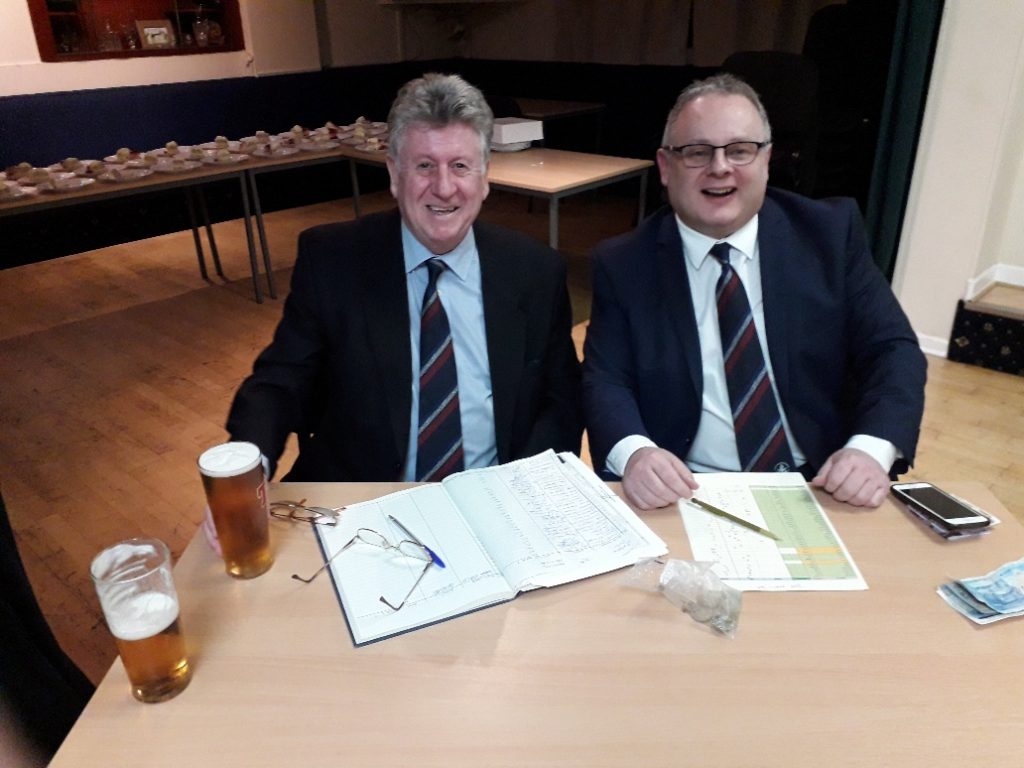
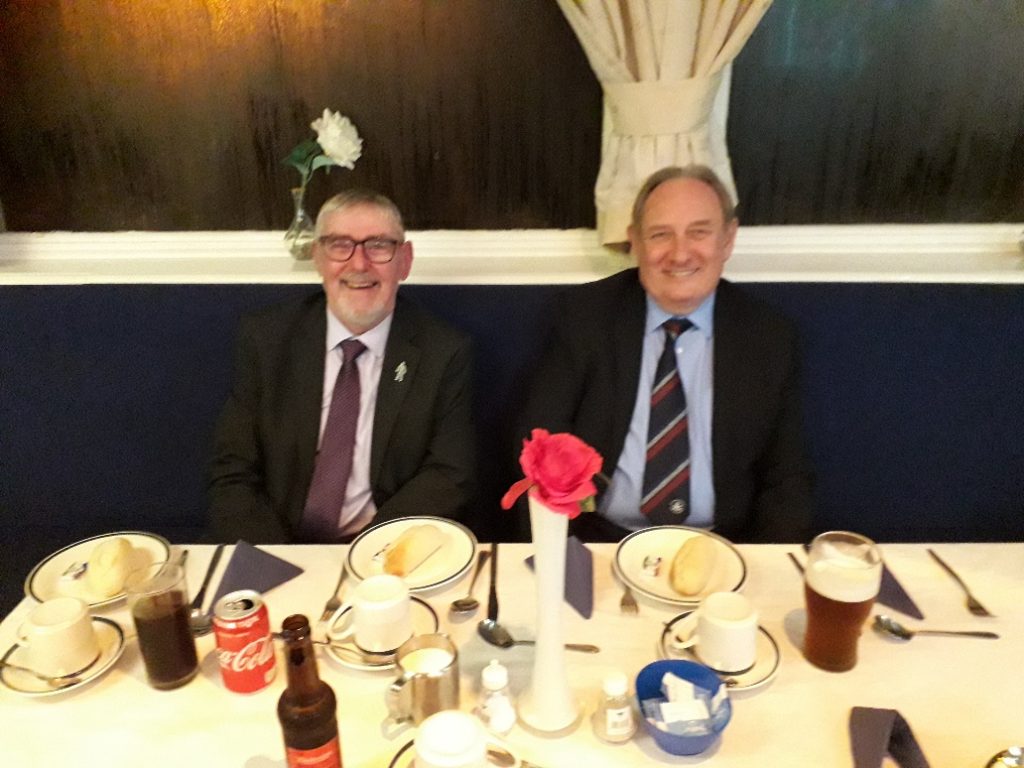
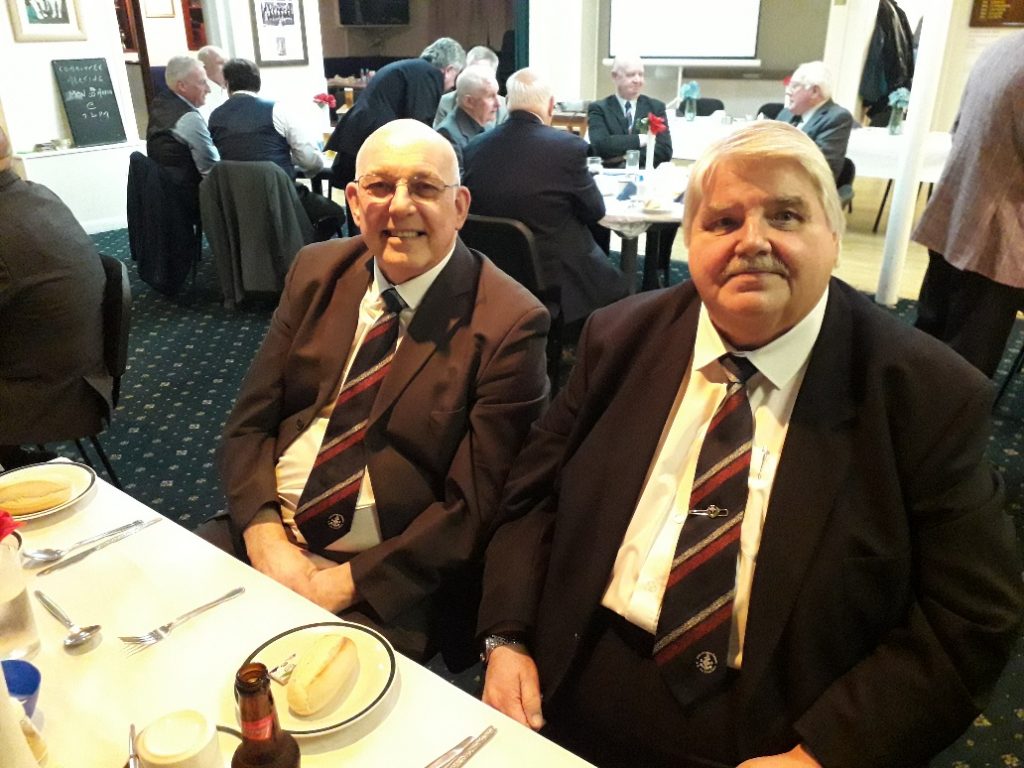
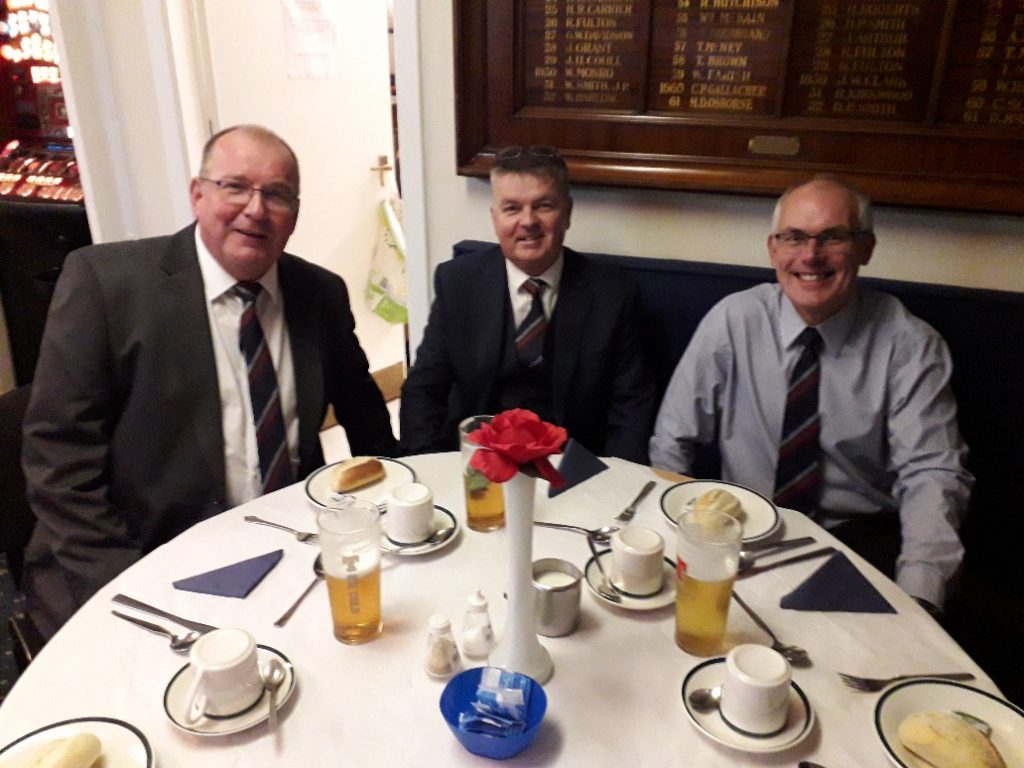
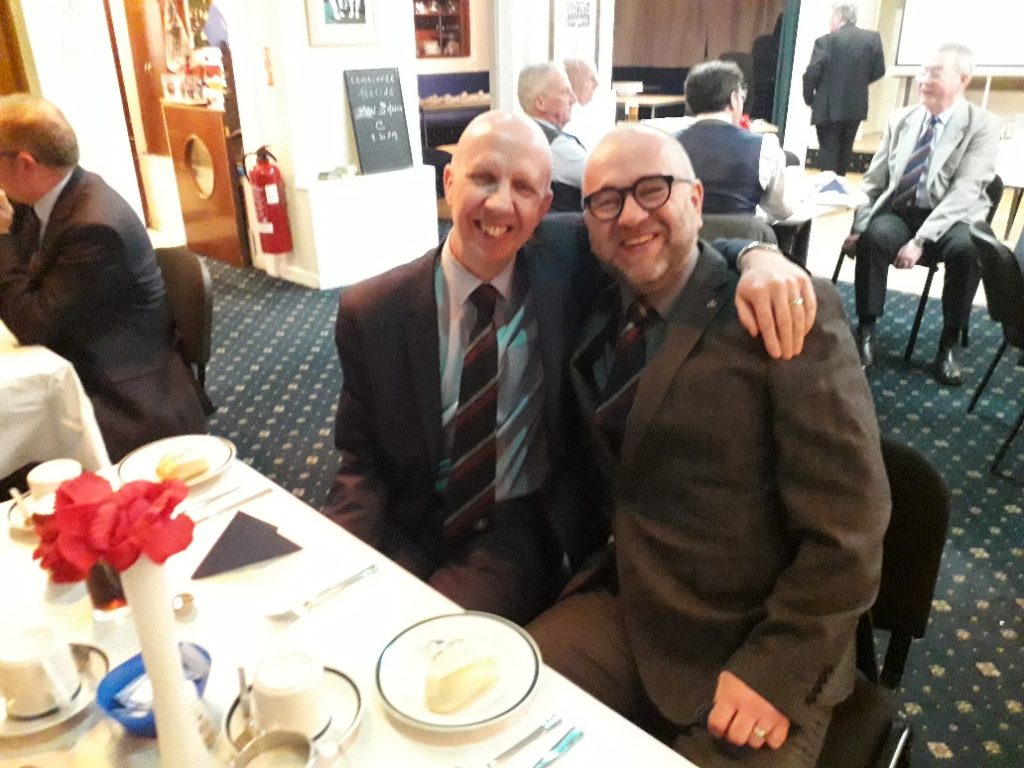
Don Glass our Chairman took these photos on his phone. (Despite struggling with the ‘lurgy’.) I thank Don for these.

Stephen McQuillan your Treasurer also forwarded a short video of the piper and drummer who played on the evening, which has been added to our Video page.

Johnny Simpson and Kerr McQuillan who are both Grade 1 players with Peoples Ford Boghall & Bathgate Caledonia Pipe Band, entertained the company with a fitting tribute of tunes.

These were excellently played and received, to remember our recently lost piping and drumming members.

The Committee would like to thank them for their fantastic playing.

Click here to go to the video page where Video 6 can be seen.

Archie MacLean & Iain McLellan
Robert Limond & Gordon McIntyre
Tom Connelly & Ally Osborne
Hector Russell, Bobby Laverty & Alasdair Ross
Willie Ellis & Stevie McQuillan
Neil MacFadyen & Norman Webster
Gordon Medlow Stevie Littlejohn & Graham Gillan
George Cochrane Malcolm McColl & Dougy McColl
Davy Kyle Duncan Masson & Iain Morrison
Archie Longwell & Andy Elder
John Courtney & Iain Glass
John MacLeod Finlay MacLennan & Alan Davidson
John McCartney & Alasdair McKay
General picture by Davy Kyle

Hopefully things will get back to some sort of normality soon.

Take care all.

Letter to all Ex Members

I received an email today from an Ex Member.

Dear Ex Members

My wife and I are just two, of the thousands of people that have been told by the UK and Scottish Government, to lockdown for 12 weeks.

Good weather has encouraged us all out into the garden, to complete any DIY projects that needed to be done.

So if like me, you find that there is too much television to take it all in, if you’re looking for something to do?

Your Ex Members website still requires your stories of days in the Company.

We appeal to Ex Captains, Officers, Boys, with fathers and brothers, all Ex-Members.

Pipers and Drummers that continued their training in the Company, in Senior Bands like the City of Glasgow Police and elsewhere.

But remember, it’s not all pipes and drums.

We had Ministers, Footballers, Doctors, Bankers, to mention a few.

So right then, your thoughts on paper please?

(or preferably email)

Send them to Alan YOUR Secretary for YOUR website.